Best Treatments for Acne Scars That Won’t Break the Bank
Acne may be temporary, but acne scars can feel permanent. If you’ve tried layers of concealer, expensive creams, or trending DIY remedies without real improvement, you’re not alone. Many people are searching for affordable acne scar treatments, practical solutions that improve skin texture without overwhelming their budget.
The good news? You don’t need luxury procedures to see visible results. With the right approach, it’s possible to reduce acne scarring, improve skin tone, and rebuild confidence through cost-effective, medically supported options.
This guide breaks down what works, what’s worth your money, and how to choose the right acne scar removal treatment based on your skin type and scar severity.
Understanding Acne Scars: What Causes Them?
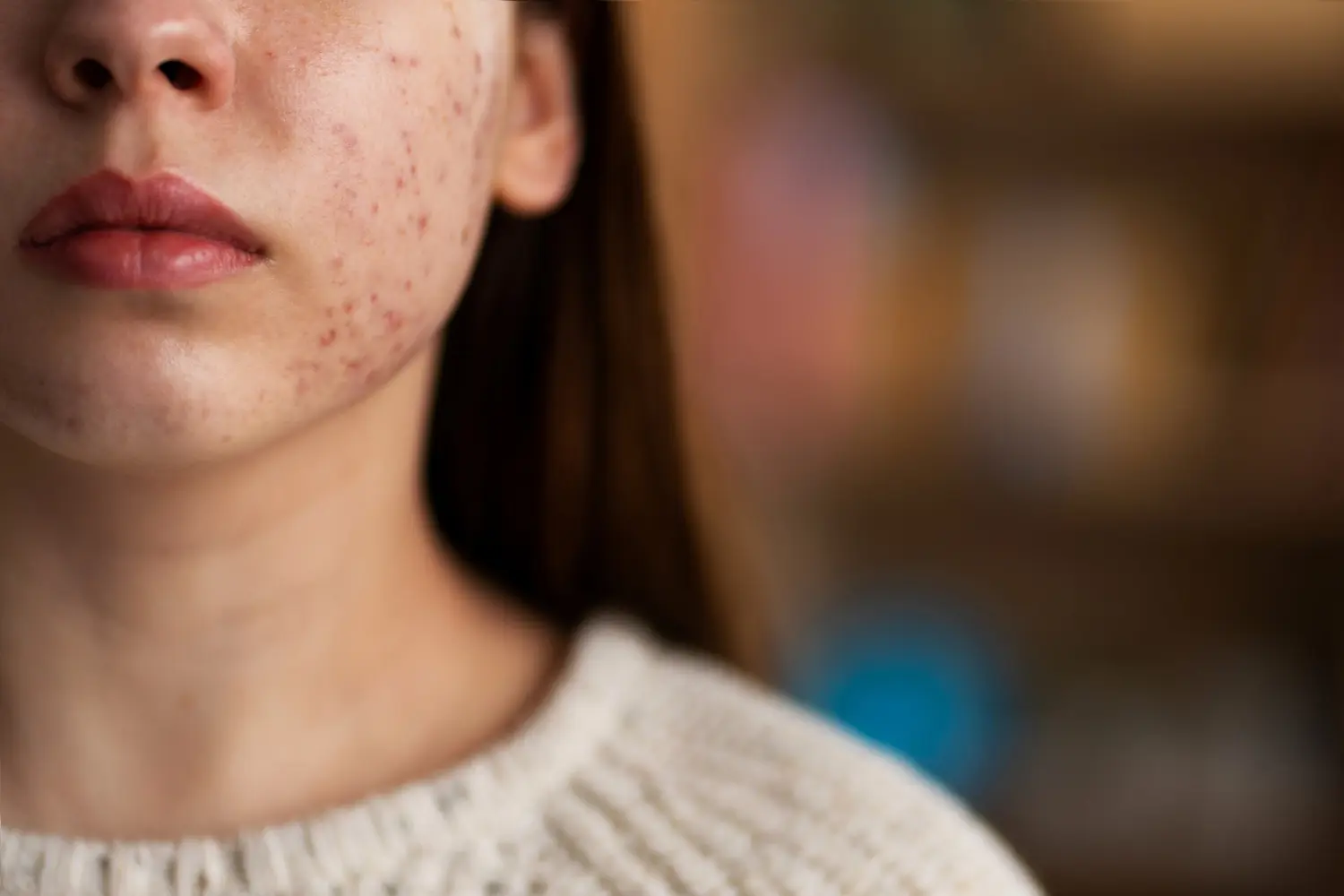
To choose the right treatment, you first need to understand how scars form. Acne scars develop when inflammation damages the deeper layers of the skin. As your body repairs the injury, it produces collagen. If too little collagen forms, you get depressed scars. If too much forms, you get raised scars.
There are three common types:
- Ice pick scars – deep, narrow indentations
- Boxcar scars – wider depressions with defined edges
- Rolling scars – uneven, wave-like texture
- Post-inflammatory hyperpigmentation (PIH) – dark spots left after acne heals
Each type responds differently to treatment. That’s why a one-size-fits-all solution rarely works.
Can Acne Scars Be Treated Without Expensive Procedures?
A common misconception is that only high-end laser treatments can fix acne scars. In reality, several budget-friendly acne scar treatments offer meaningful improvement, especially when started early.
While complete removal isn’t always realistic, reducing scar depth, smoothing texture, and evening out pigmentation is achievable with consistent care and the right treatment plan.
Topical Retinoids: A Powerful Yet Affordable Starting Point
If you’re beginning your acne scar treatment journey, topical retinoids are often recommended by dermatologists. Retinoids increase cell turnover, stimulate collagen production, and improve overall skin texture.
Why they work:
- Encourage skin renewal
- Fade dark spots
- Improve mild atrophic scars
Over-the-counter retinol products are widely available and relatively affordable. Prescription-strength versions may offer faster results, but even consistent use of a well-formulated retinol serum can visibly improve skin over time.
Expect gradual improvement over 8–12 weeks.
Chemical Peels: Professional Skin Renewal at Lower Cost
Chemical peels for acne scars are often more affordable than people assume. Superficial and medium-depth peels use ingredients like glycolic acid or salicylic acid to remove damaged outer layers of skin.
Benefits include:
- Brighter complexion
- Reduced hyperpigmentation
- Smoother texture
Chemical peels are especially effective for post-acne marks and mild scarring. Multiple sessions may be required, but compared to laser resurfacing, peels remain a cost-effective solution for many individuals.
Microneedling: Collagen Stimulation Without High Price Tags
Microneedling for acne scars has become one of the most sought-after treatments—and for good reason. It works by creating controlled micro-injuries in the skin, triggering natural collagen production.
It is particularly effective for:
- Rolling scars
- Boxcar scars
- Uneven skin texture
Microneedling sessions are typically more affordable than laser treatments, and visible improvement often appears after 3–5 sessions. For those seeking a balance between cost and results, this option stands out.
Subcision: Targeting Deep Rolling Scars
For deeper scars that don’t respond well to surface treatments, subcision can be a practical option. This minor in-office procedure releases the fibrous bands pulling the skin downward.
Once those bands are loosened:
- The skin surface rises
- Scar depth reduces
- Texture appears smoother
Subcision is often combined with microneedling or platelet-rich plasma (PRP) therapy for enhanced results, making it a strategic, cost-conscious treatment plan for moderate to severe acne scarring.
Laser Treatments: Are Affordable Options Available?
Laser therapy has a reputation for being expensive, but not all laser treatments fall into that category. Non-ablative fractional lasers can stimulate collagen production without extensive downtime.
For individuals comparing laser treatment cost for acne scars, it’s worth noting:
- Fewer sessions may be required
- Results can be long-lasting
- Payment packages may reduce upfront cost
While not the cheapest option available, certain laser procedures can be cost-effective in the long run when treating stubborn or deep scarring.
Over-the-Counter Scar Creams: Do They Work?
Many people start with acne scar creams or silicone-based gels. These products can help soften raised scars and gradually lighten pigmentation.
However:
- They are less effective for deep atrophic scars
- Results take time
- Consistency is critical
While not a miracle cure, they can support other treatments and are accessible for those beginning with a limited budget.
Combination Therapy: A Smarter, Budget-Conscious Approach
One of the most effective ways to treat acne scars without overspending is through combination therapy.
For example:
- Retinoids + sunscreen
- Microneedling + chemical peels
- Subcision + collagen-stimulating treatments
By layering treatments strategically, you can enhance results while minimizing the need for more aggressive—and costly—procedures.
Consulting a qualified professional ensures that your treatment plan is both safe and financially practical.
Supporting Skin Health at Home
Professional treatments work best when supported by a consistent skincare routine.
1. Daily Sunscreen Use
Sun exposure can darken scars and delay healing. Broad-spectrum SPF prevents worsening pigmentation.
2. Gentle Cleansing
Avoid harsh scrubs that irritate the skin. Over-exfoliation can worsen inflammation.
3. Hydration and Moisturization
Healthy, hydrated skin heals more effectively.
4. Avoid Picking
Squeezing acne increases inflammation and increases the risk of new scars forming.
Small habits can make a significant difference in overall treatment outcomes.
How Long Does Acne Scar Treatment Take?
One of the most common concerns is timeline. Acne scar improvement is gradual.
General expectations:
- Topical retinoids: visible improvement in 2–3 months
- Chemical peels: noticeable changes after several sessions
- Microneedling: progressive improvement over months
- Laser therapy: visible texture changes after 1–3 sessions
Patience and consistency are essential. Scar remodeling happens beneath the surface before visible improvement appears.
Choosing the Right Treatment for Your Skin Type
Not every treatment suits every skin tone or sensitivity level. For example:
- Darker skin tones require careful selection of laser settings to prevent hyperpigmentation.
- Sensitive skin may respond better to gentler peels.
- Deep ice pick scars may require specialized procedures like punch excision.
An individualized approach prevents wasted money and reduces the risk of complications.
Cost Considerations: What Influences Pricing?
When researching acne scar treatment cost, pricing depends on:
- Scar severity
- Type of procedure
- Number of sessions required
- Clinic location
- Provider experience
It’s wise to compare options, ask about package pricing, and discuss realistic expectations before committing to treatment.
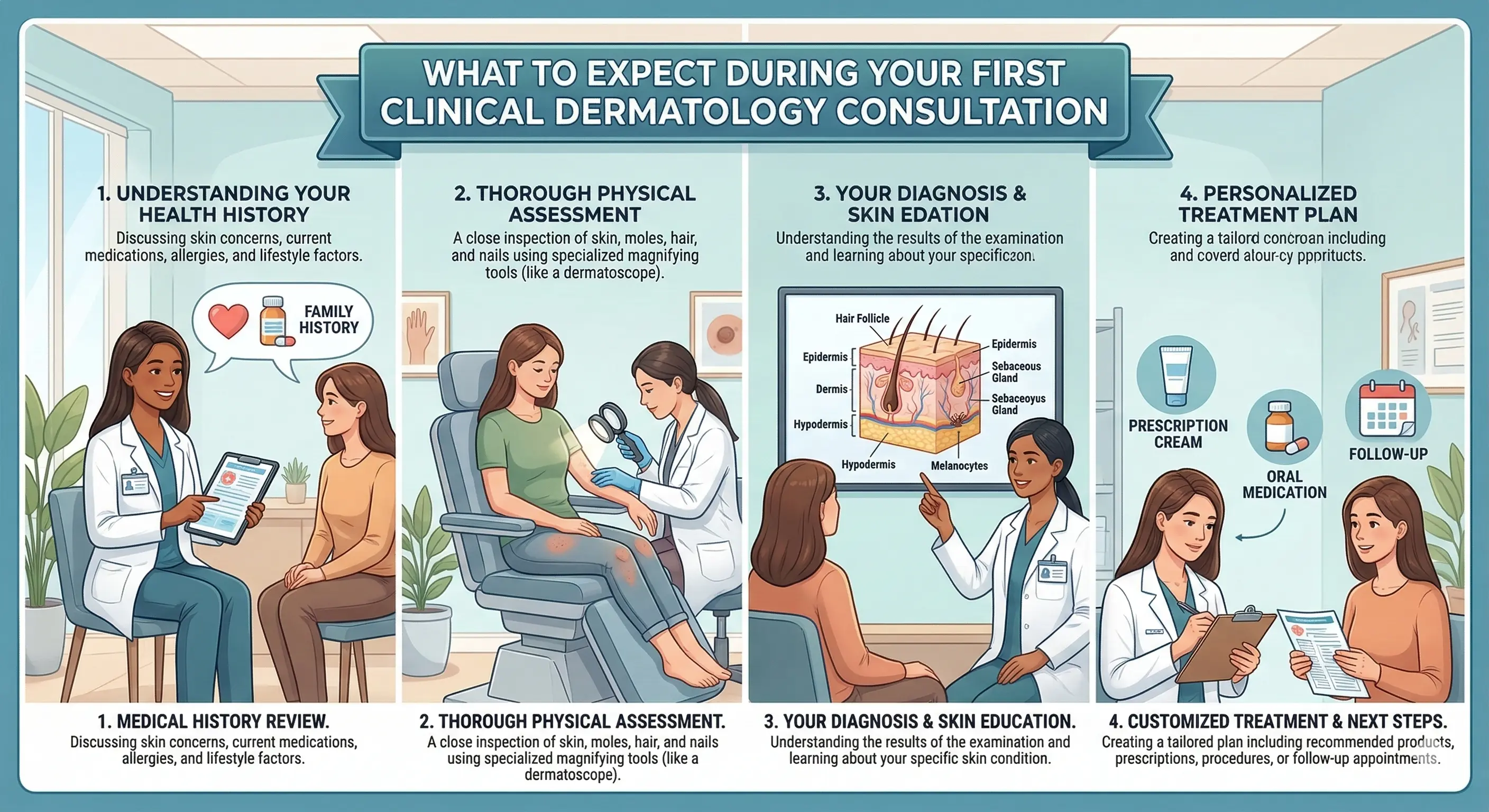
When to See a Dermatologist
If scars are affecting your self-confidence or not improving with over-the-counter treatments, seeking professional advice is a logical next step.
A dermatologist can:
- Identify scar type accurately
- Recommend evidence-based treatments
- Create a structured plan within your budget
This step often saves time and money by avoiding ineffective products.
Conclusion
Treating acne scars doesn’t have to mean choosing the most expensive procedure available. With a thoughtful, informed approach, you can reduce acne scarring, improve skin texture, and restore a smoother complexion using affordable acne scar treatments that align with your budget.
From topical retinoids and chemical peels to microneedling and subcision, there are practical solutions backed by dermatological evidence. The key is understanding your scar type, setting realistic expectations, and staying consistent with both treatment and daily skincare.
Clearer, more even skin is possible—without breaking the bank.

.webp)