
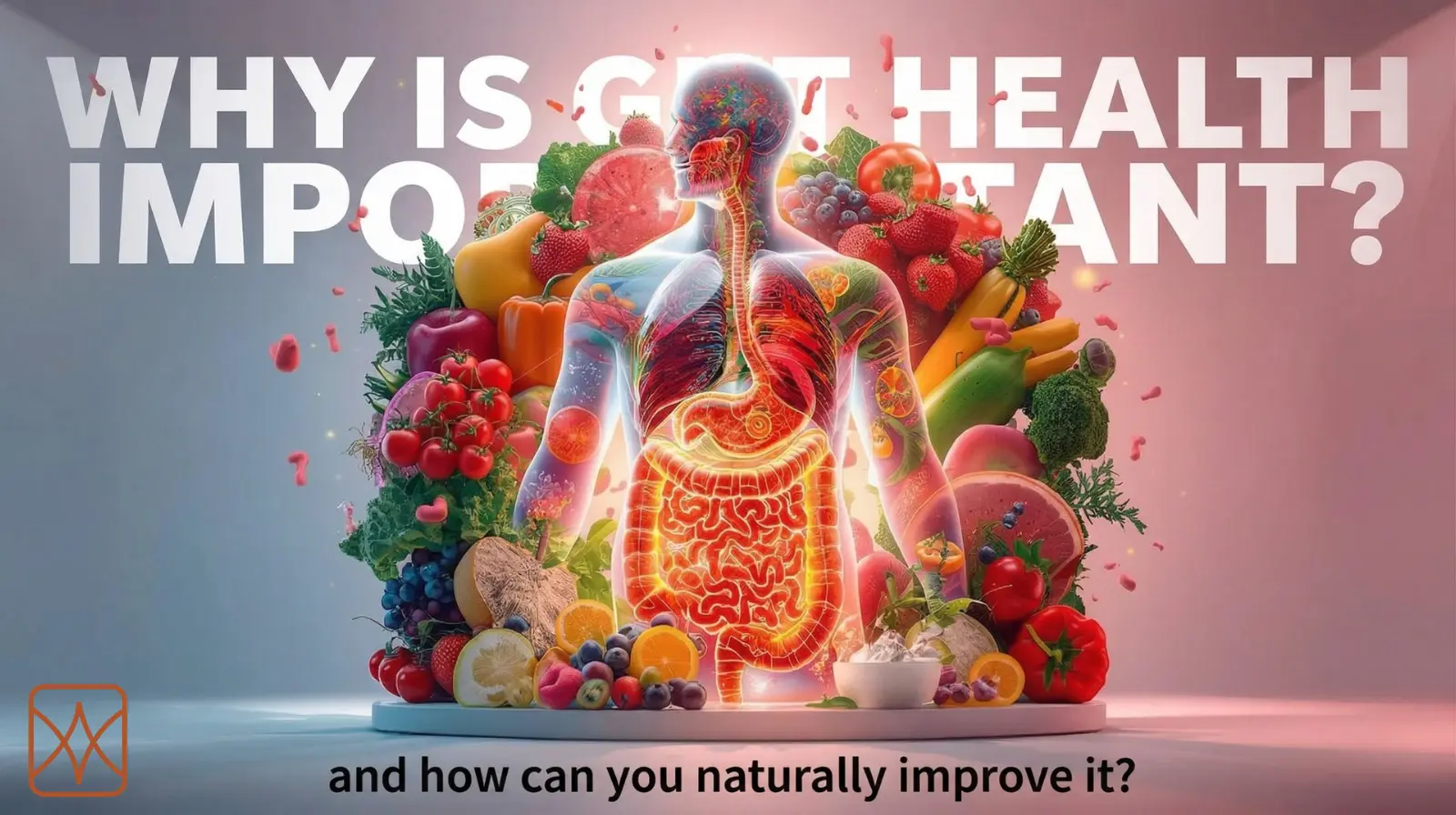
Why Is Gut Health Important and How Can You Naturally Improve It?
Gut health has become a widely discussed topic—and for good reason. If you’ve ever experienced bloating, low energy, or unexplained mood changes, your gut might be playing a bigger role than you think. Understanding why gut health is important and how to support it naturally can make a noticeable difference in how you feel every day.
This guide breaks it down in a clear, practical way—no hype, no fluff—just useful insights you can actually apply.
What Is Gut Health?
Gut health refers to the balance and function of microorganisms living in your digestive system, commonly known as the gut microbiome. These microbes help digest food, absorb nutrients, and protect your body from harmful bacteria.
A healthy gut isn’t about eliminating bacteria—it’s about maintaining the right balance between beneficial and harmful microbes.
Why Gut Health Is Important for Overall Well-Being
The gut does much more than digest food. It acts as a control center for several essential body functions.
1. Improves Digestion and Nutrient Absorption
A balanced gut helps your body break down food efficiently and absorb essential vitamins and minerals. Poor gut health can lead to issues like bloating, gas, or irregular bowel movements.
2. Supports Immune Function
A large portion of your immune system is linked to your gut. When your gut microbiome is balanced, your body is better equipped to fight infections and inflammation.
3. Affects Mental Health and Mood
The gut-brain connection plays a key role in emotional health. Your gut produces neurotransmitters that influence mood, focus, and stress levels.
4. Regulates Energy Levels
If your body absorbs nutrients properly, you’ll naturally feel more energetic and less fatigued throughout the day.
5. Contributes to Metabolism and Weight Balance
Gut bacteria can influence how your body stores fat and regulates hunger signals.
Common Signs of Poor Gut Health
Your body often signals when something isn’t right. Some common signs include:
- Frequent bloating or discomfort
- Constipation or diarrhea
- Food sensitivities
- Low energy or fatigue
- Skin issues like acne
- Brain fog or difficulty concentrating
Recognizing these early signs can help you take action before problems worsen.
Understanding the Gut-Brain Connection
The gut and brain communicate through a system known as the gut-brain axis. This connection explains why stress can upset your stomach—and why improving gut health can enhance mental clarity.
For example:
- Stress can disrupt digestion
- Poor gut health can affect mood and sleep
This two-way relationship highlights why caring for your gut also supports emotional well-being.
How Diet Directly Impacts Gut Health
Your daily food choices shape your gut microbiome. Diets high in processed foods, refined sugar, and artificial additives can disrupt the balance of good bacteria.
In contrast, a gut-friendly diet rich in natural, whole foods supports microbial diversity and long-term digestive health.
Natural Ways to Improve Gut Health
Improving gut health doesn’t require extreme diets or complicated routines. Simple, consistent habits often work best.
1. Eat More Fiber-Rich Foods
Fiber feeds beneficial bacteria and helps maintain smooth digestion.
Examples of fiber-rich foods:
- Fruits like apples and berries
- Vegetables such as spinach and carrots
- Whole grains like oats and brown rice
- Legumes including lentils and chickpeas
Adding a variety of these foods supports a healthier gut microbiome.
2. Include Probiotic Foods in Your Diet
Probiotics introduce beneficial bacteria into your gut.
Common natural sources:
- Yogurt
- Kefir
- Fermented vegetables like kimchi
- Traditional buttermilk
Regular intake of these foods can help improve gut balance over time.
3. Add Prebiotic Foods
Prebiotics act as fuel for good bacteria.
Foods rich in prebiotics:
- Garlic and onions
- Bananas
- Asparagus
- Oats
Combining prebiotics with probiotics supports long-term gut health improvement.
4. Stay Hydrated Throughout the Day
Water helps break down food, supports digestion, and keeps your gut lining healthy.
A simple habit like drinking enough water daily can improve digestion and reduce discomfort.
5. Limit Processed Foods and Excess Sugar
Highly processed foods can negatively impact gut bacteria and lead to imbalance.
Reducing intake of:
- Sugary snacks
- Packaged foods
- Artificial additives
can support a healthier digestive system.
6. Manage Stress Naturally
Chronic stress can disrupt the gut microbiome and slow digestion.
Simple stress-management practices include:
- Deep breathing
- Walking outdoors
- Mindfulness or meditation
Even a few minutes a day can help restore balance.
7. Prioritize Quality Sleep
Sleep plays a key role in maintaining gut health. Poor sleep can affect digestion and microbial balance.
Aim for consistent sleep patterns to support both gut and overall health.
8. Stay Physically Active
Regular movement helps improve digestion and supports a diverse gut microbiome.
Activities like walking, stretching, or light exercise are often enough to make a difference.
9. Use Antibiotics Carefully
While antibiotics are sometimes necessary, overuse can disrupt gut bacteria.
It’s important to use them only when prescribed and follow up with gut-supportive habits.
10. Pay Attention to Your Body’s Signals
Everyone’s gut is different. Noticing how your body reacts to certain foods can help you make better dietary choices.
A simple awareness of patterns—like what causes bloating or discomfort—can guide long-term improvements.
The Role of Fermented Foods in Digestive Health
Fermented foods are one of the easiest ways to support gut health naturally. They contain beneficial bacteria that improve digestion and nutrient absorption.
Including even small portions regularly can help maintain a balanced gut environment.
How Long Does It Take to Improve Gut Health?
There’s no one-size-fits-all timeline. Some people notice improvements within a few weeks, while others may take longer.
Consistency is more important than quick fixes. Small daily habits lead to lasting results.
Simple Daily Habits for Better Gut Health
Here’s a practical routine you can follow:
- Start your day with water
- Include fiber in every meal
- Add one probiotic food daily
- Stay active
- Reduce stress before bedtime
These habits are easy to maintain and support long-term gut health naturally.
Conclusion
Understanding why gut health is important can change how you approach your daily habits. Your gut influences digestion, immunity, mood, and energy—making it a key part of overall wellness.
The good news is that improving gut health doesn’t require complicated steps. By focusing on natural ways to improve gut health, such as eating fiber-rich foods, staying hydrated, managing stress, and maintaining a balanced lifestyle, you can support your body in a sustainable way.
Start with small changes, stay consistent, and allow your body time to adjust. A healthier gut leads to a healthier you—both physically and mentally.
.webp)