
What Is the Most Effective Way to Treat Acne?
Acne is one of those skin conditions almost everyone encounters at some point, yet no two experiences with it are exactly the same. For some, it’s an occasional breakout before an important event. For others, it’s a long-term struggle that affects confidence, comfort, and emotional well-being. That’s why the question “What is the most effective way to treat acne?” doesn’t have a single, universal answer.
The most effective acne treatment depends on understanding the cause, type, and behavior of acne over time, rather than chasing quick fixes. This article takes a clear, evidence-based look at acne treatment—without hype—so you can make informed decisions that actually support long-term skin health.
Understanding Acne at Its Root
Acne develops when hair follicles become blocked with oil and dead skin cells. This blockage creates an environment where bacteria can grow, leading to inflammation and visible breakouts.
At its core, acne is influenced by four key factors:
- Excess sebum (oil) production
- Clogged pores
- Bacterial activity
- Inflammation
Effective acne management focuses on reducing these triggers consistently, not aggressively.
Why Acne Is Not “Just a Teenage Problem”
Although acne is commonly associated with adolescence, it affects people across all age groups. Adult acne—especially in the 20s, 30s, and beyond—is increasingly common.
Adult acne often behaves differently:
- It tends to last longer
- It may flare cyclically
- It is frequently linked to hormones, stress, or lifestyle factors
This is why treatment approaches that worked in the past may stop being effective over time.
Different Types of Acne Need Different Approaches
Treating acne effectively begins with identifying the type of acne present.
Common acne types include:
- Whiteheads and blackheads (non-inflammatory)
- Papules and pustules (inflammatory)
- Nodules and cysts (deep, painful, and persistent)
Mild acne may respond well to topical care alone, while moderate to severe acne often requires a broader strategy.
Is There One Most Effective Acne Treatment?
There is no single treatment that works best for everyone. The most effective way to treat acne is a personalized combination of treatments, adjusted based on skin response over time.
What works well for one person may worsen acne for another. Skin biology, hormones, climate, routine, and consistency all play a role.
Topical Treatments: A Core Part of Acne Care
Topical treatments are commonly used because they work directly at the source of breakouts.
Some widely studied ingredients include:
- Salicylic Acid – helps unclog pores and reduce buildup
- Benzoyl Peroxide – reduces acne-causing bacteria
- Tretinoin – supports skin renewal and prevents clogged pores
- Azelaic Acid – calms redness and improves uneven tone
Topical treatments require regular use and patience. Results usually appear gradually over several weeks.
Oral Treatments: When Acne Is Persistent or Severe
For acne that does not respond to topical care alone, oral treatments may be considered under medical supervision.
Options may include:
- Short-term oral antibiotics
- Hormonal regulation therapies
- Isotretinoin for severe or resistant acne
Oral treatments are not quick fixes—they are carefully monitored solutions intended to address deeper causes of acne.
Hormonal Acne and Why It Needs a Different Strategy
Hormonal acne often appears on the jawline, chin, and lower face. It may flare during menstrual cycles, periods of stress, or hormonal changes.
Managing hormonal acne effectively often involves:
- Long-term consistency rather than aggressive treatment
- Supporting overall hormonal balance
- Combining topical care with lifestyle adjustments
Understanding hormonal patterns is key to reducing recurring breakouts.
Skincare Routines That Support Acne Treatment
A gentle, consistent skincare routine plays a major role in acne control.
A supportive acne routine typically includes:
- A mild, non-stripping cleanser
- A lightweight, non-comedogenic moisturizer
- Targeted treatment products used as directed
- Daily sun protection
Overusing products or frequently switching routines can disrupt the skin barrier and slow progress.
Diet, Lifestyle, and Their Role in Acne
Diet alone does not cause acne, but certain dietary patterns may influence inflammation and oil production in some individuals.
Factors that may contribute include:
- High-glycemic foods
- Excess sugar intake
- Poor hydration
Healthy habits such as balanced meals, adequate sleep, and stress management often support better skin outcomes over time.
Stress and Sleep: Often Ignored Acne Triggers
Chronic stress increases cortisol levels, which can stimulate oil production and inflammation. Poor sleep further disrupts skin repair processes.
Supporting mental and physical well-being is an underrated but effective acne strategy.
Professional Treatments and When They Make Sense
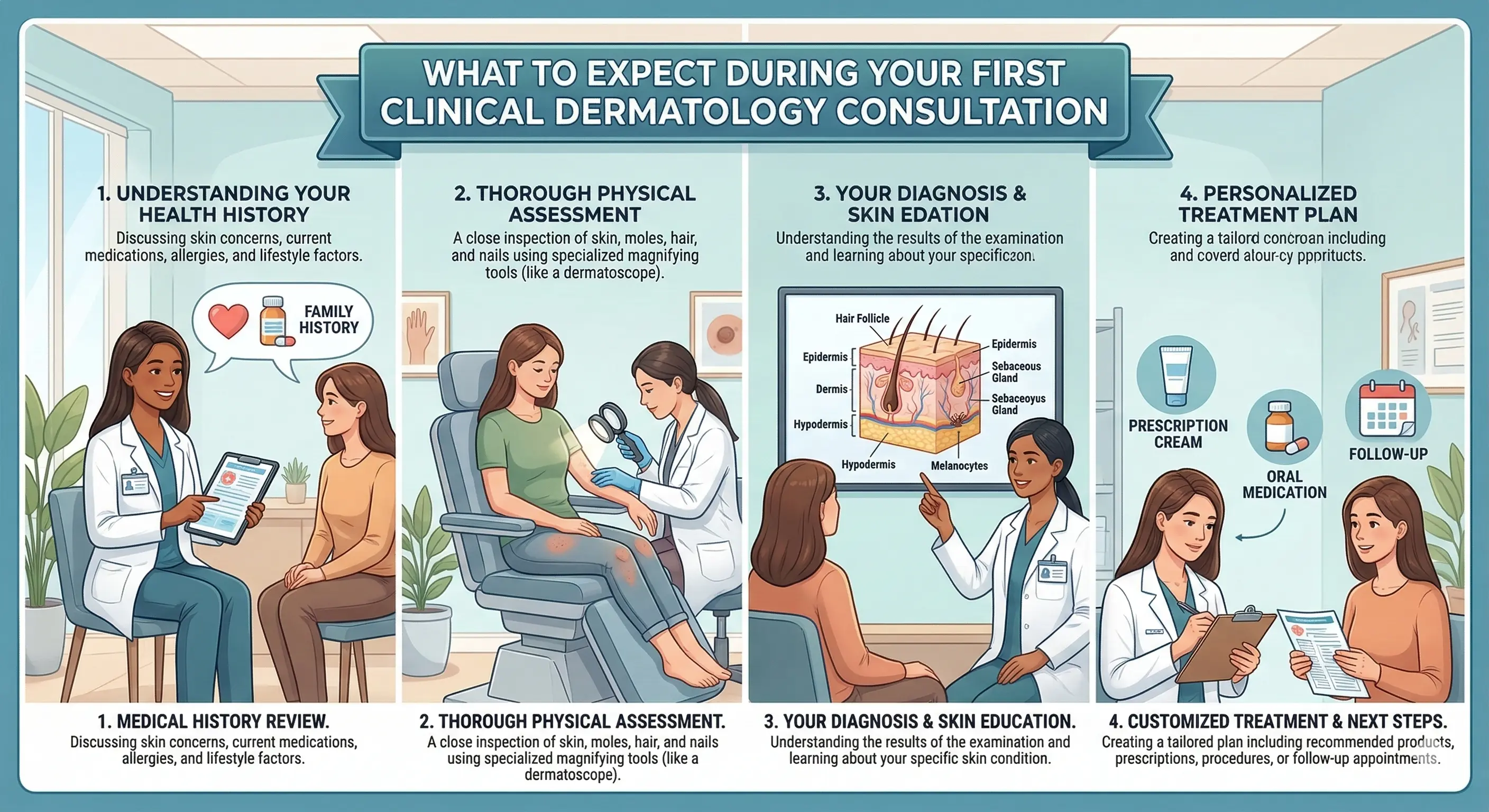
If acne continues despite consistent home care, professional treatment may help identify underlying causes.
These may include:
- Chemical exfoliation treatments
- Light-based therapies
- Professional extraction and evaluation
Early guidance can reduce the risk of scarring and prolonged inflammation.
Treating Acne Scars and Post-Inflammatory Marks
Once active acne improves, leftover marks may remain.
Common approaches include:
- Retinoid-based treatments
- Controlled exfoliation
- Microneedling or resurfacing methods
Addressing acne early helps minimize long-term skin changes.
Common Acne Myths That Slow Progress
Some misconceptions can interfere with effective treatment:
- Acne is not caused by poor hygiene
- Over-washing does not clear acne faster
- Sun exposure does not “dry out” acne safely
- Popping pimples often worsens inflammation
Reliable information leads to better decisions and healthier skin.
How Long Does Acne Treatment Take to Show Results?
Acne treatment works gradually.
Typical timelines:
- Initial changes: 4–6 weeks
- Visible improvement: 8–12 weeks
- Long-term control: ongoing maintenance
Consistency matters more than speed.
Creating a Sustainable Acne Management Plan
The most effective acne treatment plan is one that fits into daily life without causing stress or irritation.
Long-term success depends on:
- Understanding your skin
- Avoiding unnecessary product overload
- Adjusting treatments as needed
- Seeking professional input when progress stalls
Conclusion
The most effective way to treat acne is not about finding a miracle product—it’s about understanding your skin, addressing root causes, and following a balanced, consistent approach. Acne improves when treatment decisions are informed, patient, and tailored to individual needs.
With the right strategy, clear and healthier skin is achievable—not overnight, but sustainably and confidently over time.
If you’re evaluating treatment options or considering professional guidance, choosing an evidence-based approach is always a strong place to start.
Frequently Asked Questions (FAQs)
1. What is the fastest way to reduce active acne breakouts?
There is no instant cure for acne, but active breakouts can often be calmed by using targeted topical treatments, avoiding harsh products, and maintaining a consistent skincare routine. Ingredients that reduce inflammation and unclog pores may help visible improvement over time, usually within a few weeks rather than days.
2. Can acne be treated permanently?
Acne can be effectively managed long term, but “permanent” treatment depends on the underlying cause. Hormonal changes, lifestyle factors, and genetics can influence whether acne returns. A personalized treatment plan combined with maintenance care offers the best chance of long-lasting control.
3. Does diet really affect acne?
Diet does not directly cause acne for everyone, but certain eating patterns may influence breakouts in some people. High-glycemic foods, excess sugar, and dairy products have been linked to acne flare-ups in some studies. Balanced nutrition and hydration can support overall skin health.
4. How long should I wait before deciding a treatment isn’t working?
Most acne treatments need at least 6–8 weeks to show meaningful results. Initial purging or slow improvement is common. If there is no visible progress after consistent use for several months, reassessing the treatment approach may be necessary.
5. When should I consider professional acne treatment?
Professional guidance is recommended if acne is painful, persistent, scarring, or affecting emotional well-being. Early intervention can help identify underlying causes and prevent long-term skin damage, especially in cases of moderate to severe acne.

.webp)