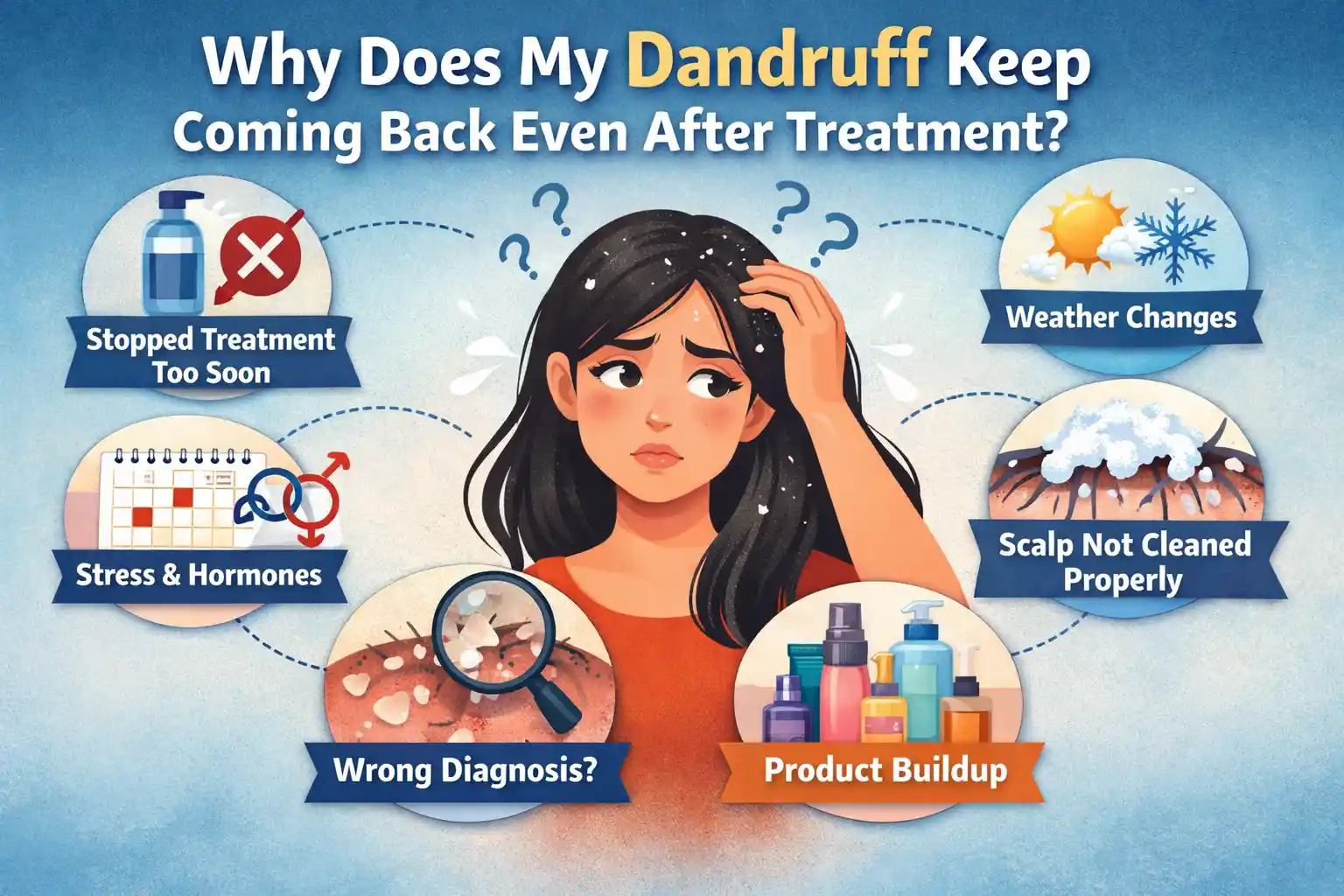
Why Does My Dandruff Keep Coming Back Even After Treatment?
You switch shampoos. The flakes disappear. Your scalp finally feels calm. Then, a few weeks later, the itching creeps back — and so do the flakes.
If you’ve been wondering, “Why does my dandruff keep coming back even after treatment?”, you’re dealing with a very common — and very frustrating — issue. Recurring dandruff isn’t usually about using the “wrong” product. More often, it’s about misunderstanding what dandruff really is and how it behaves.
Let’s unpack what causes persistent dandruff, why treatment sometimes fails, and what you can realistically do to manage it long-term.
What Is Dandruff, Really?
Dandruff is a chronic scalp condition linked to:
- Excess oil (sebum) production
- Overgrowth of a yeast called Malassezia
- Inflammation
- Accelerated skin cell turnover
Your scalp naturally sheds dead skin cells. But when that process speeds up, the cells clump together into visible white or yellowish flakes.
Here’s the key thing many people miss: dandruff is often ongoing, not temporary. Treatment controls symptoms — it doesn’t permanently eliminate the underlying tendency.
That’s why flakes often return.
Why Dandruff Keeps Coming Back
If dandruff keeps returning after treatment, there’s usually a specific reason. Let’s break down the most common causes.
1. You Stopped Treatment Once Symptoms Improved
One of the biggest reasons dandruff comes back is stopping treatment too soon.
Medicated shampoos containing ingredients like:
- Ketoconazole
- Zinc pyrithione
- Selenium sulfide
- Salicylic acid
- Coal tar
work by reducing fungal growth or slowing skin turnover. But once you stop using them completely, the scalp environment can slowly return to its previous state.
For many people, a maintenance routine is necessary. That might mean using an anti-dandruff shampoo once a week even after the flakes disappear.
Think of it as management, not a one-time cure.
2. You’re Not Using the Shampoo Correctly
How you use the product matters just as much as which one you choose.
Common mistakes include:
- Rinsing too quickly
- Using too little product
- Applying only to hair instead of the scalp
Medicated shampoos need time to work. Ideally, you should massage the shampoo into the scalp and leave it on for 3–5 minutes before rinsing.
If the active ingredients don’t stay in contact long enough, they can’t effectively reduce fungal overgrowth.
3. It Might Not Be Dandruff at All
Sometimes recurring flakes aren’t simple dandruff.
Other conditions that mimic dandruff include:
- Seborrheic dermatitis
- Psoriasis
- Fungal infections
- Contact dermatitis from hair products
Seborrheic dermatitis, in particular, causes:
- Red, inflamed patches
- Greasy scales
- Persistent itching
- Flaking around the eyebrows, ears, or nose
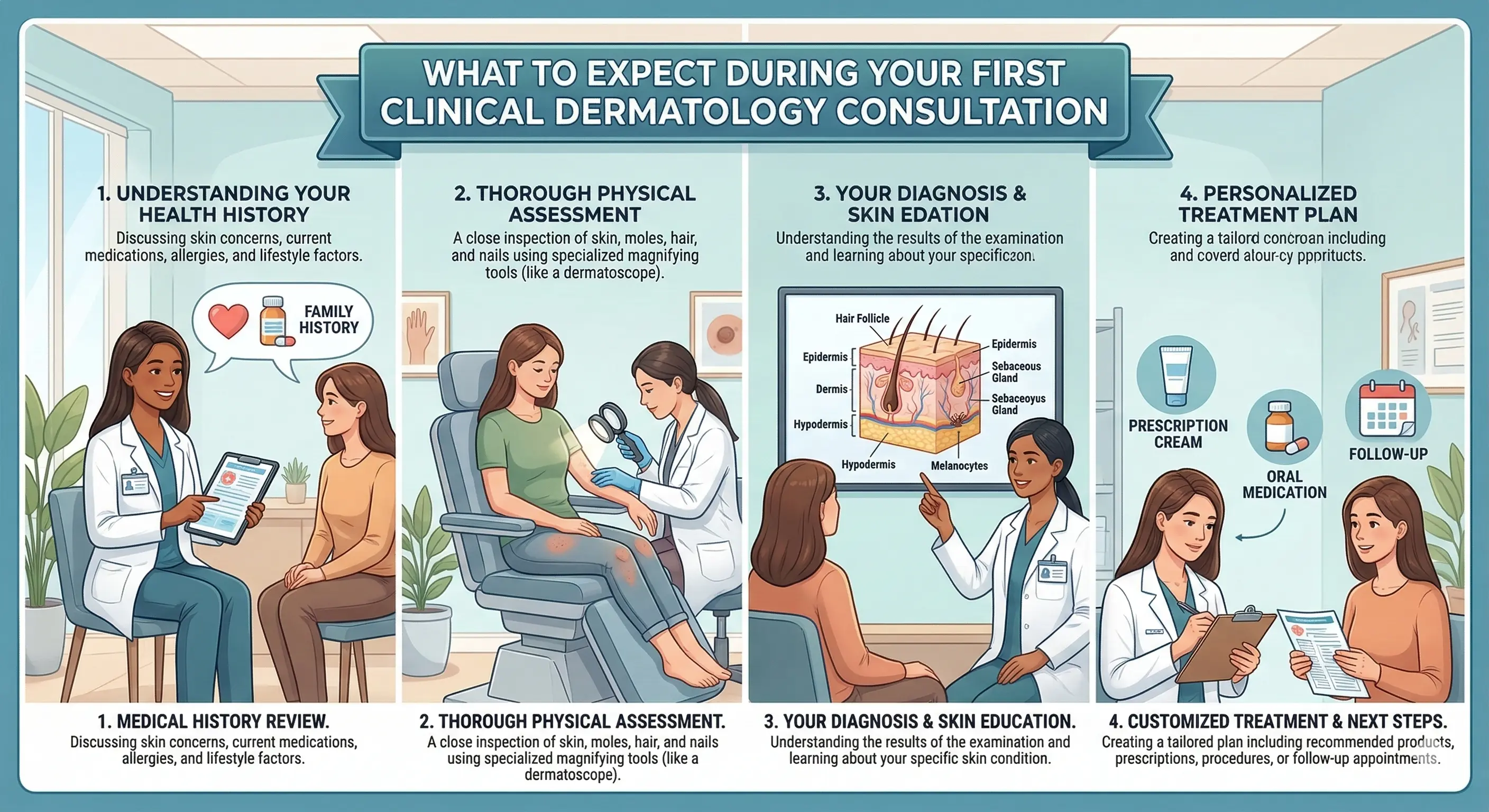
If your symptoms are severe, spreading, or not responding to over-the-counter treatments, it may be worth consulting a dermatologist for an accurate diagnosis.
4. Stress Is Triggering Flare-Ups
Stress has a measurable impact on the immune system and inflammation levels. When you’re under pressure, your body may produce more oil and inflammatory chemicals — both of which can worsen dandruff.
Many people notice flare-ups during:
- Exam periods
- Work deadlines
- Emotional strain
- Sleep disruption
If your dandruff seems unpredictable, stress management could be a missing piece of the puzzle.
5. Weather and Climate Changes
Dandruff often worsens during:
- Cold, dry winters
- Humid, sweaty summers
- Seasonal transitions
Cold air dries the scalp, while humidity can increase oil production — both disrupting scalp balance.
If you notice seasonal dandruff recurrence, adjusting your hair care routine based on climate can help. For example:
- Use lukewarm water instead of hot
- Avoid over-washing
- Use lightweight conditioners during humid months
Small adjustments can stabilize the scalp environment.
6. Product Buildup on the Scalp
Hair styling products can create residue on the scalp. Over time, buildup can trap oil and dead skin cells, creating an ideal environment for yeast growth.
Common contributors include:
- Hair sprays
- Gels
- Serums
- Dry shampoo
If dandruff keeps returning, consider reducing heavy styling products and using a clarifying shampoo occasionally to reset the scalp.
7. Washing Too Frequently — or Not Enough
Scalp hygiene requires balance.
Washing too infrequently can allow oil to accumulate, feeding fungal growth. Washing too frequently can strip natural oils, triggering rebound oil production and irritation.
Most people with oily or dandruff-prone scalps benefit from washing every 2–3 days, but this varies by individual.
If your dandruff keeps recurring, review your washing habits honestly.
8. Hormonal Influences
Hormones affect oil production, which directly impacts dandruff.
You may notice flare-ups during:
- Puberty
- Hormonal shifts
- Pregnancy
- High-stress phases
When sebum production increases, the scalp becomes more prone to fungal imbalance.
If dandruff coincides with hormonal changes, addressing overall health and stress may help reduce recurrence.
9. Nutritional Gaps and Lifestyle Factors
There’s growing evidence linking scalp health to overall nutrition.
Deficiencies sometimes associated with persistent dandruff include:
- Zinc
- Vitamin B complex
- Omega-3 fatty acids
Highly processed diets and chronic inflammation may also worsen symptoms.
While diet alone won’t cure dandruff, improving overall nutritional intake supports skin barrier health and immune function.
10. Hard Water and Environmental Irritation
Hard water contains minerals that can leave residue on the scalp. Over time, this buildup may:
- Make shampoo less effective
- Cause dryness
- Increase irritation
If you live in an area with hard water and struggle with recurring dandruff, installing a shower filter or using a gentle chelating shampoo occasionally may help.
11. Your Scalp May Have Adapted to One Product
If you’ve been using the same anti-dandruff shampoo for years and it’s suddenly less effective, your scalp environment may have shifted.
Rotating between different active ingredients can sometimes improve long-term control.
For example:
- Use ketoconazole-based shampoo for a treatment phase
- Transition to zinc-based shampoo for maintenance
This approach may help prevent reduced effectiveness over time.
How to Stop Dandruff From Coming Back
If your dandruff keeps recurring, here’s a structured approach you can consider:
✔ Use Medicated Shampoo Consistently
Even after improvement, maintain weekly use.
✔ Leave It On for Several Minutes
Give active ingredients time to work.
✔ Massage the Scalp Properly
Focus on the scalp, not just the hair strands.
✔ Adjust for Seasons
Adapt your routine based on weather changes.
✔ Limit Heavy Styling Products
Reduce buildup that feeds fungal growth.
✔ Manage Stress
Sleep, exercise, and balanced routines matter.
✔ Seek Medical Advice if Needed
If symptoms are severe or persistent, a dermatologist can recommend prescription treatments.
If you’re unsure which treatment is right for your specific scalp condition, speaking with a qualified healthcare professional can help you choose the most appropriate option.
When Should You See a Dermatologist?
You should consider professional evaluation if you experience:
- Intense redness
- Thick crusting
- Hair thinning
- Spreading flaking beyond the scalp
- Severe itching that disrupts sleep
Persistent or worsening symptoms may require prescription antifungal shampoos or topical treatments.
Early evaluation can prevent prolonged discomfort.
The Emotional Side of Recurring Dandruff
Let’s acknowledge something real: dandruff can affect confidence.
Constantly checking your shoulders. Avoiding dark clothes. Feeling self-conscious in meetings or social situations.
Recurring dandruff is frustrating — especially when you’re already making an effort to treat it.
The important thing to remember is that dandruff is manageable, even if it’s not permanently curable. With the right long-term strategy, flare-ups can be reduced significantly.
Final Thoughts on Managing Persistent Dandruff
If your dandruff keeps coming back even after treatment, it usually means one of three things:
- The underlying cause hasn’t been fully addressed.
- The treatment wasn’t used consistently or correctly.
- The condition may be more than simple dandruff.
Instead of switching products repeatedly, focus on consistency, proper application, and identifying triggers such as stress, climate, or hormonal changes.
If symptoms persist despite following best practices, consider consulting a dermatologist to explore tailored treatment options that suit your scalp type and condition.
Conclusion
Recurring dandruff is common because it’s often linked to ongoing scalp imbalance rather than a temporary issue. Anti-dandruff treatments help control symptoms, but they require consistent use and proper technique. Factors like stress, weather changes, product buildup, hormonal shifts, and underlying skin conditions can all contribute to flare-ups.
By understanding the root causes and adopting a structured scalp care routine, you can significantly reduce recurrence and maintain a healthier scalp over time. And if home care isn’t enough, professional guidance can help you move toward longer-lasting relief.
Frequently Asked Questions (FAQs)
1. Why does my dandruff keep coming back even after using medicated shampoo?
Dandruff often returns because most treatments control symptoms rather than permanently cure the condition. If you stop using medicated shampoo once flakes disappear, the underlying causes — such as excess oil production or fungal overgrowth — can gradually return. For long-term management, many dermatologists recommend maintenance use once or twice a week, even after symptoms improve.
2. How long does it take for dandruff treatment to work?
Most anti-dandruff shampoos show noticeable improvement within 2 to 4 weeks when used consistently. However, results depend on the severity of the condition and how correctly the product is used. Leaving the shampoo on the scalp for 3–5 minutes before rinsing can significantly improve effectiveness. If there’s no improvement after a month, it may be worth consulting a healthcare professional.
3. Can dandruff go away permanently?
For many people, dandruff is a chronic scalp condition, meaning it can be managed but not permanently eliminated. With proper treatment, lifestyle adjustments, and regular maintenance care, flare-ups can become less frequent and less severe. However, stopping treatment entirely may allow symptoms to return over time.
4. Is recurring dandruff a sign of a more serious condition?
Sometimes persistent flaking may indicate conditions such as seborrheic dermatitis, psoriasis, or fungal infections rather than simple dandruff. If you experience redness, thick scales, severe itching, or flaking beyond the scalp, seeking medical advice is recommended. A dermatologist can provide an accurate diagnosis and suggest targeted treatment options.
5. What is the best way to prevent dandruff from coming back?
Preventing dandruff recurrence usually involves a combination of steps:
- Use anti-dandruff shampoo consistently (even after symptoms improve)
- Avoid heavy product buildup on the scalp
- Manage stress levels
- Maintain a balanced diet
- Adjust your routine based on seasonal changes
If over-the-counter treatments are not effective, exploring prescription options with a healthcare provider may help you find longer-lasting relief.

.webp)